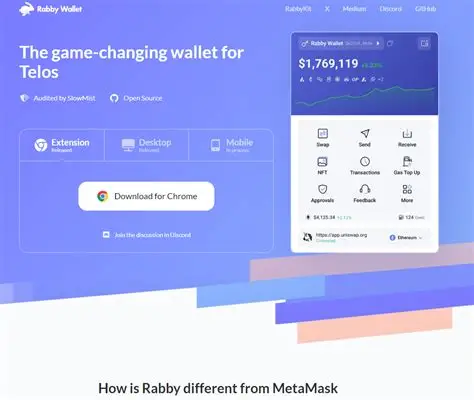
Introduction to Rabby Wallet
Rabby Wallet is a multi-chain, non-custodial cryptocurrency wallet designed for securely managing digital assets and interacting with decentralized applications (DApps). Unlike custodial wallets, Rabby gives you full control over your private keys, ensuring that only you have access to your funds.
This guide will provide a step-by-step walkthrough of setting up Rabby Wallet, logging in, maintaining security, recovering your wallet, handling multiple chains, and integrating with DApps safely.
What is Rabby Wallet?
Rabby Wallet is a browser-based and desktop-compatible wallet that focuses on:
Secure storage for Ethereum, Binance Smart Chain, Polygon, and other chains
Multi-chain management with a unified interface
Non-custodial access, meaning you control your private keys
Compatibility with DApps through wallet connections
Features such as transaction previews, phishing protection, and hardware wallet integration
Rabby Wallet ensures that your crypto transactions are safe and transparent, while also making it convenient to interact with the rapidly evolving DeFi ecosystem.
Step 1: Installing Rabby Wallet
To start using Rabby Wallet:
Visit the official website: https://rabby.io
Download the appropriate version:
Browser extension for Chrome, Firefox, or Edge
Desktop version for Windows, Mac, or Linux
Install the extension or application following your system’s instructions
Security Tip: Only download Rabby Wallet from official sources to avoid phishing or malicious copies.
Step 2: Launching Rabby Wallet
After installation:
Open the browser extension or desktop app
Click “Get Started” to initiate setup
You will be prompted to either create a new wallet or import an existing one
Rabby Wallet’s interface is user-friendly and will guide you through each step clearly.
Step 3: Creating a New Wallet
To create a new wallet:
Choose “Create Wallet”
Set a strong password for wallet access
The wallet will generate a recovery seed phrase
The recovery seed is the most important component of your wallet. It allows you to restore access if your device is lost or the application is deleted.
Step 4: Backing Up Your Recovery Seed
The recovery seed typically consists of 12 or 24 words:
Write the words down in the exact order on paper
Do not store the seed digitally or online
Confirm the seed phrase in the wallet to complete setup
Security Tip: Keep multiple physical copies in secure locations. If the seed is lost, you will permanently lose access to your funds.
Step 5: Importing an Existing Wallet
If you already have a wallet:
Select “Import Wallet”
Enter your existing 12/24-word recovery seed phrase
Set a new password
Access your assets across supported chains
This feature allows users to consolidate multiple wallets into Rabby Wallet for easier management.
Step 6: Setting a Password and Security PIN
Rabby Wallet allows you to set a password and optionally enable a PIN for quicker access:
Use a strong, unique password
Enable PIN or biometrics if using the desktop app
Passwords and PINs prevent unauthorized access to your wallet on your device
Even if someone gains access to your computer, they cannot access the wallet without this authentication.
Step 7: Connecting to Decentralized Applications (DApps)
Rabby Wallet integrates with DApps seamlessly:
Open the DApp in your browser
Click “Connect Wallet”
Choose Rabby Wallet from the available options
Approve the connection on your wallet interface
Tip: Always double-check the DApp URL before connecting to avoid phishing attacks.
Step 8: Managing Multiple Chains
Rabby Wallet supports multiple blockchains:
Ethereum (ETH)
Binance Smart Chain (BSC)
Polygon (MATIC)
Arbitrum, Optimism, and more
You can switch between chains easily within the wallet interface to manage assets on different networks without needing multiple wallets.
Step 9: Sending Cryptocurrency
To send crypto:
Open Rabby Wallet
Select the appropriate account and chain
Enter the recipient’s address and amount
Review the transaction carefully
Confirm the transaction
Rabby Wallet displays detailed transaction information, including gas fees, which helps prevent errors and overpayment.
Step 10: Receiving Cryptocurrency
To receive crypto:
Open your Rabby Wallet
Copy the receiving address for the desired chain
Share the address with the sender
Verify the address on the wallet interface
Tip: Always verify the address before sharing to prevent malware from altering it.
Step 11: Security Best Practices
To maximize security:
Never share your recovery seed
Do not store your seed digitally or online
Only use the official website and verified apps
Enable password protection and PINs
Verify transaction details before confirming
Following these practices ensures your assets remain safe from hacking and phishing attacks.
Step 12: Hardware Wallet Integration
Rabby Wallet supports integration with hardware wallets like Ledger and Trezor:
Connect your hardware wallet via USB
Use Rabby Wallet to manage multiple chains and DApps
Transactions are signed offline by the hardware device
This provides an extra layer of security while maintaining Rabby’s convenience and interface.
Step 13: Recovering Your Wallet
If your device or app is lost:
Install Rabby Wallet on a new device
Select “Import Wallet”
Enter your recovery seed phrase
Set a new password and PIN
Access your assets safely
Important: Recovery is only possible if you have your original seed phrase.
Step 14: Managing Multiple Accounts
Rabby Wallet allows the creation of multiple accounts within a single wallet:
Each account can represent a different blockchain or portfolio
Easily switch between accounts for trading, staking, or DApp interactions
Each account is secured by the same recovery seed
This is useful for separating assets and managing different crypto strategies.
Step 15: Transaction Previews and Protection
Rabby Wallet includes advanced features like:
Transaction previews to show exact amounts, recipients, and fees
Phishing alerts for known malicious websites
Gas optimization suggestions for efficient transactions
These features reduce errors, protect against scams, and enhance usability.
Step 16: Updating Rabby Wallet
Regular updates ensure security and functionality:
Check for updates in the app or extension settings
Download updates only from official sources
Restart the wallet after updates to ensure compatibility
Keeping the wallet updated is essential to protect against vulnerabilities.
Step 17: Troubleshooting Common Issues
Common issues and solutions:
Wallet not recognized: Reinstall the extension or desktop app
Forgot password: Use your recovery seed to restore the wallet
Transaction stuck: Check network congestion and gas fees
Failed connections to DApps: Ensure the website URL is correct and try reconnecting
Always consult the official Rabby support resources for guidance.
Step 18: Logging Out and Device Safety
Rabby Wallet provides secure logout options:
Disconnect the wallet from the browser or app after use
Store your device securely
Keep recovery seed offline and safe
These measures prevent unauthorized access and protect your digital assets.
Step 19: Emergency Tips and Best Practices
Keep multiple physical backups of your recovery seed
Avoid storing sensitive information digitally
Use strong passwords and PINs
Verify all websites and transactions before approval
Consider using a hardware wallet with Rabby Wallet for additional security
By following these best practices, your funds remain safe even in emergency situations.
Step 20: Conclusion
Rabby Wallet is a secure, versatile, multi-chain wallet that allows users to safely manage cryptocurrencies and interact with DApps. Key takeaways:
Rabby is non-custodial, giving you full control over private keys
Use official resources from rabby.io
Backup and protect your recovery seed offline
Verify all transactions and DApp connections
Integrate with hardware wallets for added security
By following this guide, you can ensure your digital assets remain safe, accessible, and efficiently managed across multiple chains.